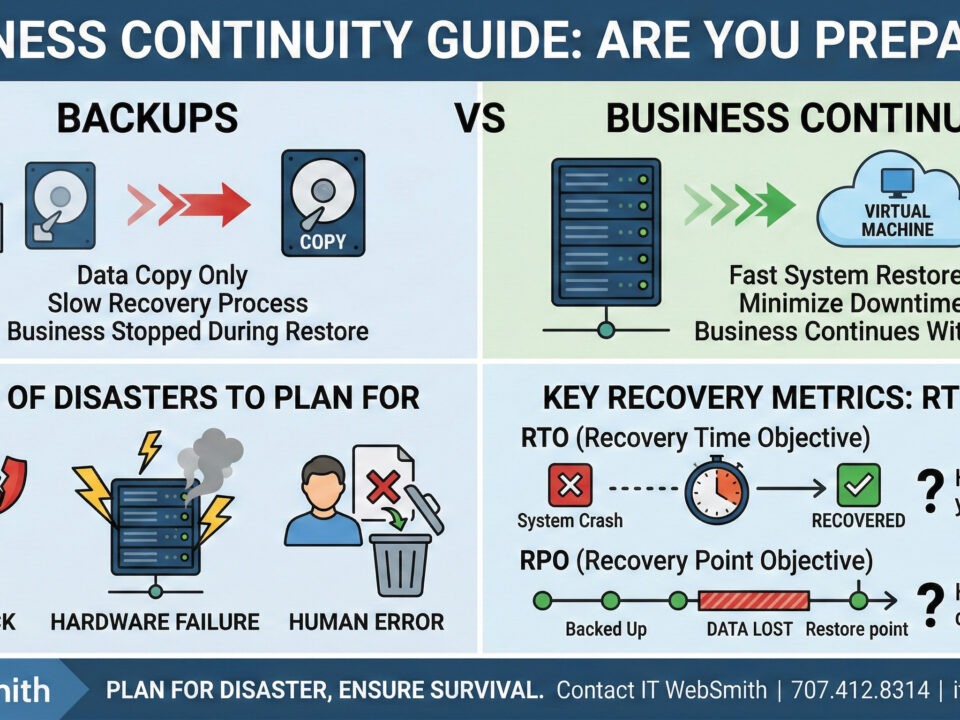

When disaster strikes, having a reliable data backup strategy is the single most important step you can take to safeguard your digital life.
Data backup, back up your data, disaster recovery tips, cloud storage backup: Essential Strategies for Data Backup and Disaster Recovery Tips
Implementing a reliable strategy to back up your data is the single most important step you can take to safeguard your digital life. By leveraging modern cloud storage backup services alongside traditional local drives, you ensure that hardware failures or cyber threats will never compromise your critical files. Following industry-standard disaster recovery tips guarantees business continuity and ultimate peace of mind.
When disaster strikes, having a reliable data backup strategy is the single most important step you can take to safeguard your digital life. Whether you are dealing with hardware failure, accidental deletion, or cyber threats, learning how to properly back up your data ensures your critical files remain secure. Implementing effective disaster recovery tips and utilizing reliable cloud storage backup solutions will give you ultimate peace of mind.
Essential Strategies to Back Up Your Data and Ensure Business Continuity
Implementing a robust routine to back up your data is critical for avoiding catastrophic data loss. By combining automated cloud storage backup solutions with physical drives, you create a fail-safe environment that shields your personal and professional files from unexpected disasters.
IT Tip of the Day: How to Back Up Your Data
Backing up your data is one of the most important things you can do to protect it. If your computer or hard drive fails, you will lose all of your data if it is not backed up.
There are two main types of backups:
- Full backups: A full backup creates a copy of all of your data.
- Incremental backups: An incremental backup creates a copy of the data that has changed since the last backup.
It is a good idea to do both full backups and incremental backups. Full backups should be done on a regular basis, such as once a week or once a month. Incremental backups should be done more often, such as daily or hourly.
You can back up your data to a variety of locations, such as:
- External hard drives: External hard drives are a popular choice for backing up data because they are portable and relatively inexpensive.
- Cloud storage: Cloud storage services such as Dropbox and Google Drive allow you to store your data online. This is a good option for backing up data that you need to access from multiple devices.
- NAS devices: NAS devices (network attached storage) are devices that are dedicated to storing data. NAS devices are a good option for backing up large amounts of data or for backing up data from multiple devices.
No matter which backup method you choose, it is important to make sure that your backups are secure. You should encrypt your backups so that they cannot be read by unauthorized people. You should also store your backups in a safe place where they will not be lost or damaged.
Here are some additional tips for backing up your data:
- Test your backups regularly. You should test your backups regularly to make sure that they are working properly.
- Keep your backup software up to date. Backup software updates often include security patches, so it is important to keep your backup software up to date.
- Have a backup plan. Your backup plan should include information about how often you will back up your data, where you will back up your data, and how you will test your backups.
By following these tips, you can help protect your data and ensure that it is always safe.
Related Reading
- The “It Won’t Happen to Me” Trap: Why Optimism is Your Network’s Worst Enemy
- Love, Taxes, and Technology: How to Survive the “Financial Sprint” Without a MeltdownGood morning, Benicia!
- The “Back to Reality” Tech Guide: How to Clear the Digital Clutter and Start 2026 Strong
- New Year, New Tech: 3 Essential Digital Resolutions for a Prosperous 2026
- The Best Business Gift You Can Give Yourself This Season? Peace of Mind.