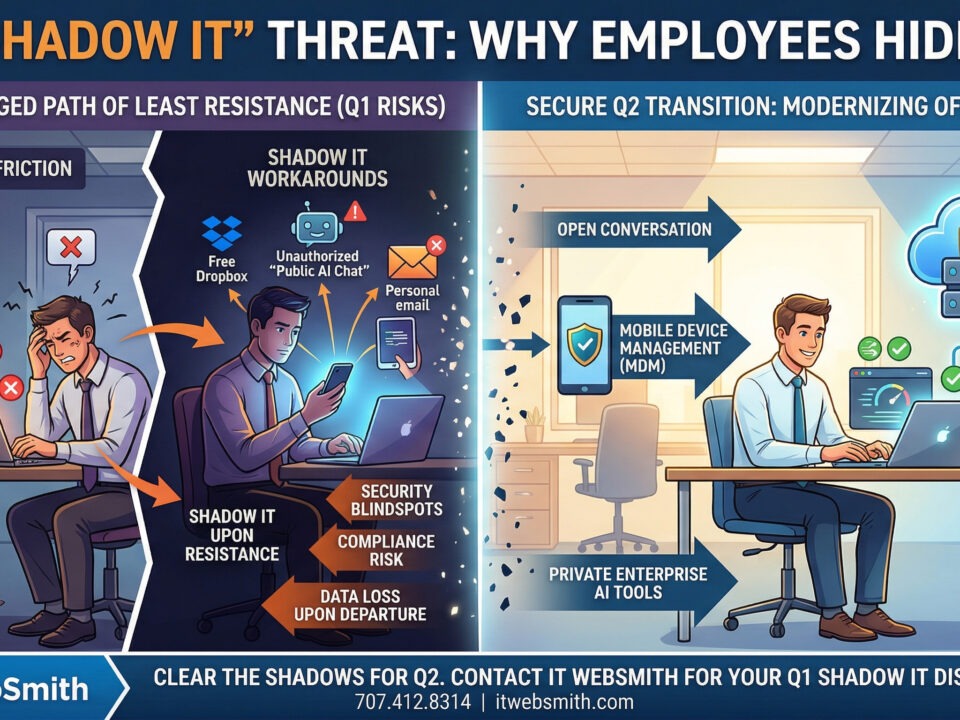


Navigating the complex landscape of old technology pros and cons requires a careful balance between financial savings and operational security. While many organizations rush toward the newest innovations, legacy technology and outdated IT systems often hold surprising value for specific use cases. Before committing to a costly tech upgrade guide, it is crucial to understand both the hidden benefits and the severe risks of maintaining older systems in a modern digital environment.
Navigating Legacy Infrastructure
When evaluating old technology pros and cons, organizations frequently overlook how deeply integrated legacy technology can be within daily operations. Before diving into a comprehensive tech upgrade guide, decision-makers must audit their entire inventory of outdated IT systems to identify potential vulnerabilities and integration bottlenecks.
Evaluating Old Technology Pros and Cons in Modern Business
When analyzing the true value of legacy technology and outdated IT systems, organizations must look beyond initial impressions. Understanding the core old technology pros and cons allows IT managers to make informed decisions before initiating a disruptive tech upgrade guide process.
The Pros and Cons of Using Old Technologies
Technology is constantly evolving, and it can be easy to get caught up in the latest and greatest gadgets. However, there are some advantages to using old technologies.
Pros of Using Old Technologies
- Cost-effectiveness. Old technologies are often much cheaper than newer models. This is especially true for things like computers and software.
- Reliability. Old technologies have often been around for a long time, and they have been through the test of time. This means that they are often more reliable than newer models, which may have not been as well-tested.
- Nostalgia. For some people, there is a certain nostalgia associated with old technologies. Using them can bring back fond memories of simpler times.
Cons of Using Old Technologies
- Lack of compatibility. Old technologies may not be compatible with newer devices or software. This can make it difficult to use them with modern equipment.
- Performance issues. Old technologies may not be as powerful or efficient as newer models. This can lead to performance issues, such as slow loading times or crashes.
- Security risks. Old technologies may not be as secure as newer models. This means that they may be more vulnerable to hacking or malware attacks.
Conclusion
Whether or not to use old technologies is a personal decision. There are both pros and cons to consider, and the best choice will vary depending on your individual needs and preferences.
Here are some additional thoughts on using old technologies:
- Consider your needs. If you only need a basic device for tasks like browsing the web or checking email, then an old technology may be a good option. However, if you need a more powerful device for tasks like video editing or gaming, then you may need to upgrade.
- Do your research. Before you buy an old technology, be sure to do your research to make sure that it is compatible with your other devices and software. You should also check for security vulnerabilities.
- Use at your own risk. Using old technologies comes with some risks, so be sure to use them at your own risk. If you are concerned about security, then you may want to consider using a virtual machine to run the old technology.
Ultimately, the decision of whether or not to use old technologies is up to you. There are both pros and cons to consider, so weigh your options carefully before making a decision.