
Things to Consider When Looking for a Web Designer
Choosing a web designer is an important decision. Your website is a key part of your business, and you want to make sure you choose someone who will create a website that is both visually appealing and effective.
Additional Web Design Considerations for Your Project
When you are choosing a web designer, it goes beyond just looking at their portfolio. You need to ensure they align with your long-term digital strategy. Reviewing essential website features can help you communicate your exact requirements during the initial consultation.
Key Factors When Choosing a Web Designer
Key Factors When Choosing a Web Designer
When you are choosing a web designer for your upcoming digital project, taking a strategic approach is essential for long-term business success. Understanding what to look for in a web designer will save you time, money, and frustration down the road.
Evaluating important web design considerations ensures that the professional you hire a web designer partnership forms with will deliver a high-performing, visually stunning website tailored to your brand.
Here are some things to consider when looking for a web designer:
- Skills and experience. Make sure the web designer you choose has the skills and experience to create the type of website you need. Ask about their past projects and see if they have experience in your industry.
- Style and design. Do you have a specific style in mind for your website? Make sure the web designer you choose has a portfolio of work that you like.
- Communication and collaboration. It’s important to be able to communicate effectively with your web designer. Choose someone who is easy to talk to and who is willing to listen to your ideas.
- Price and budget. Web design can be expensive, so it’s important to set a budget before you start looking for a designer. Make sure the web designer you choose is within your budget.
- Timeline. How long does the web designer you choose need to complete the project? Make sure the timeline works for you.
By considering these factors, you can choose a web designer who will create a website that you love.
Here are some additional things to consider when looking for a web designer:
- Ask for references. Get in touch with the web designer’s past clients and ask them about their experience.
- Check the web designer’s portfolio. Make sure the web designer has a portfolio of work that you like.
- Get everything in writing. Before you hire a web designer, get everything in writing, including the scope of work, the timeline, and the price.
By following these tips, you can choose a web designer who will create a website that you love.
Related Reading
Deep Dive into Choosing a Web Designer for Maximum ROI
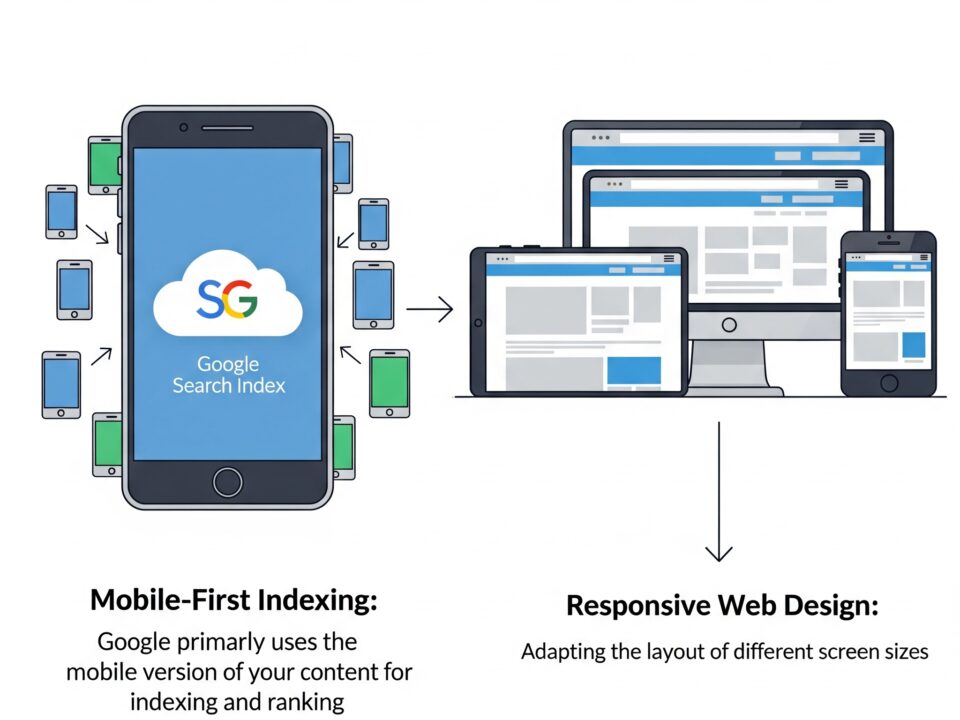
When you are ultimately ready to hire a web designer, expanding your evaluation criteria beyond standard aesthetics will ensure long-term digital success. Understanding what to look for in a web designer goes far beyond checking a portfolio; it requires analyzing their technical proficiency, SEO awareness, and post-launch maintenance capabilities. A truly exceptional professional will not only build a visually compelling interface but also optimize your site speed, mobile responsiveness, and conversion pathways to drive measurable business growth.
Navigating various web design considerations beforehand protects your investment and ensures seamless collaboration throughout the development lifecycle. Whether you are launching an eCommerce platform or a corporate informational hub, taking a proactive, strategic approach eliminates costly revisions and misaligned expectations. By carefully vetting candidates on their technical stack, communication protocols, and project management methodologies, you set the foundation for a high-performing digital asset that scales alongside your enterprise.
- Technical Expertise & SEO Alignment: Ensure the professional builds clean, semantic code that integrates seamlessly with search engine best practices and core web vitals.
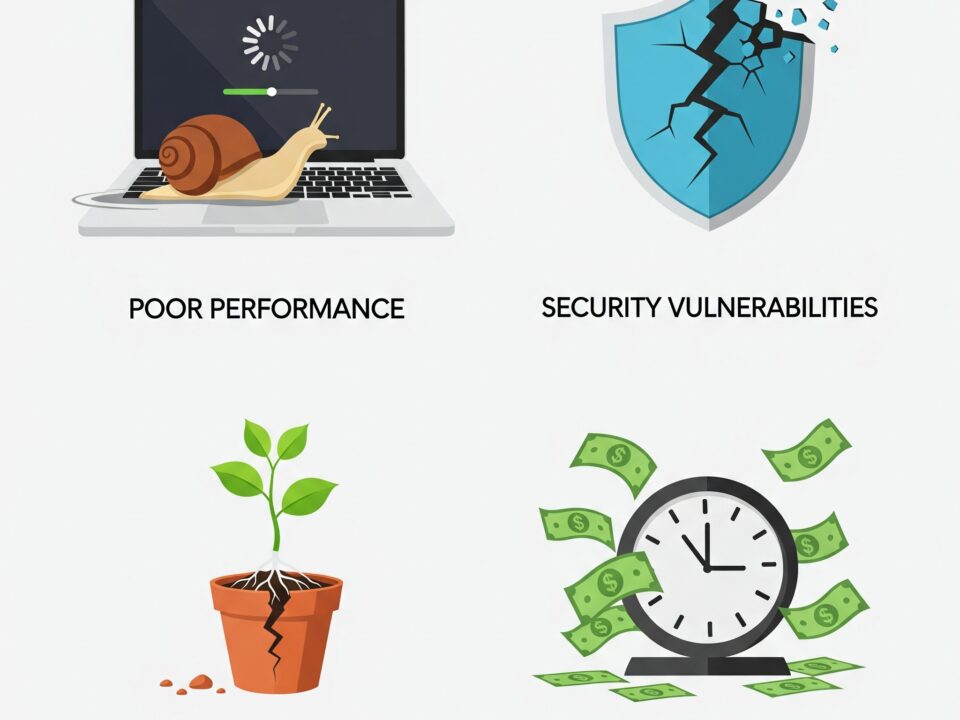
- Post-Launch Support & Maintenance: Clarify whether they offer ongoing security updates, troubleshooting, and training for your internal team after the site goes live.
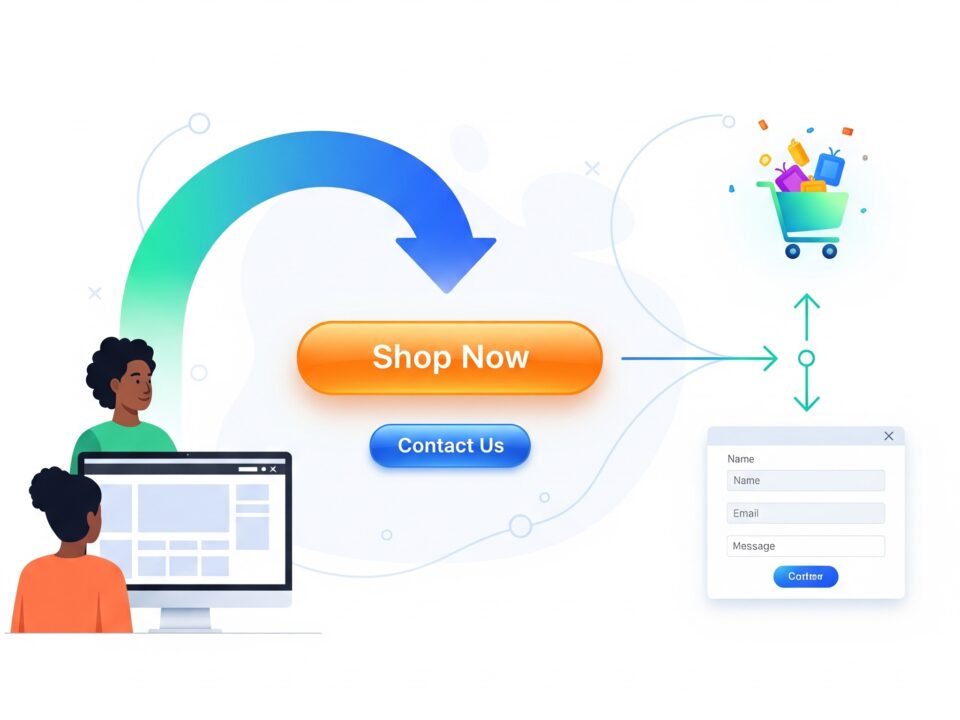
- Conversion Rate Optimization (CRO): Look for designers who understand user experience (UX) principles that actively guide visitors toward desired actions like purchases, sign-ups, or inquiries.